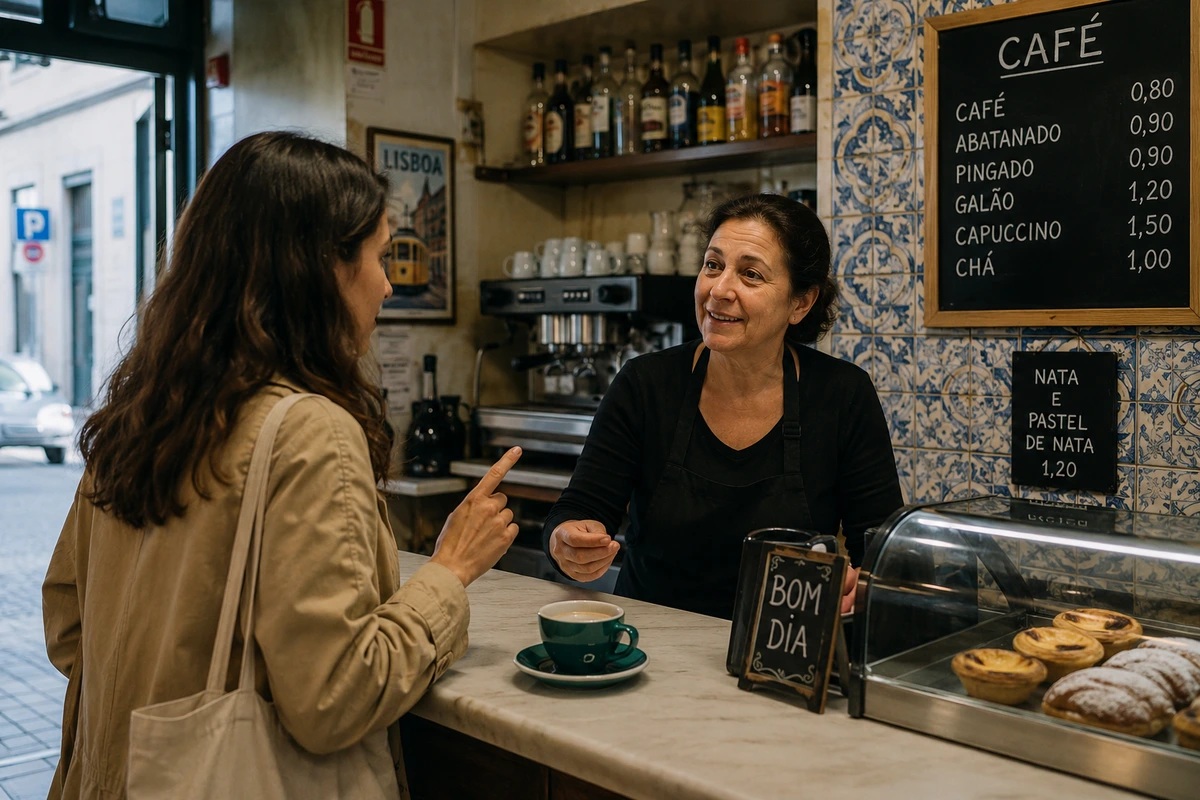
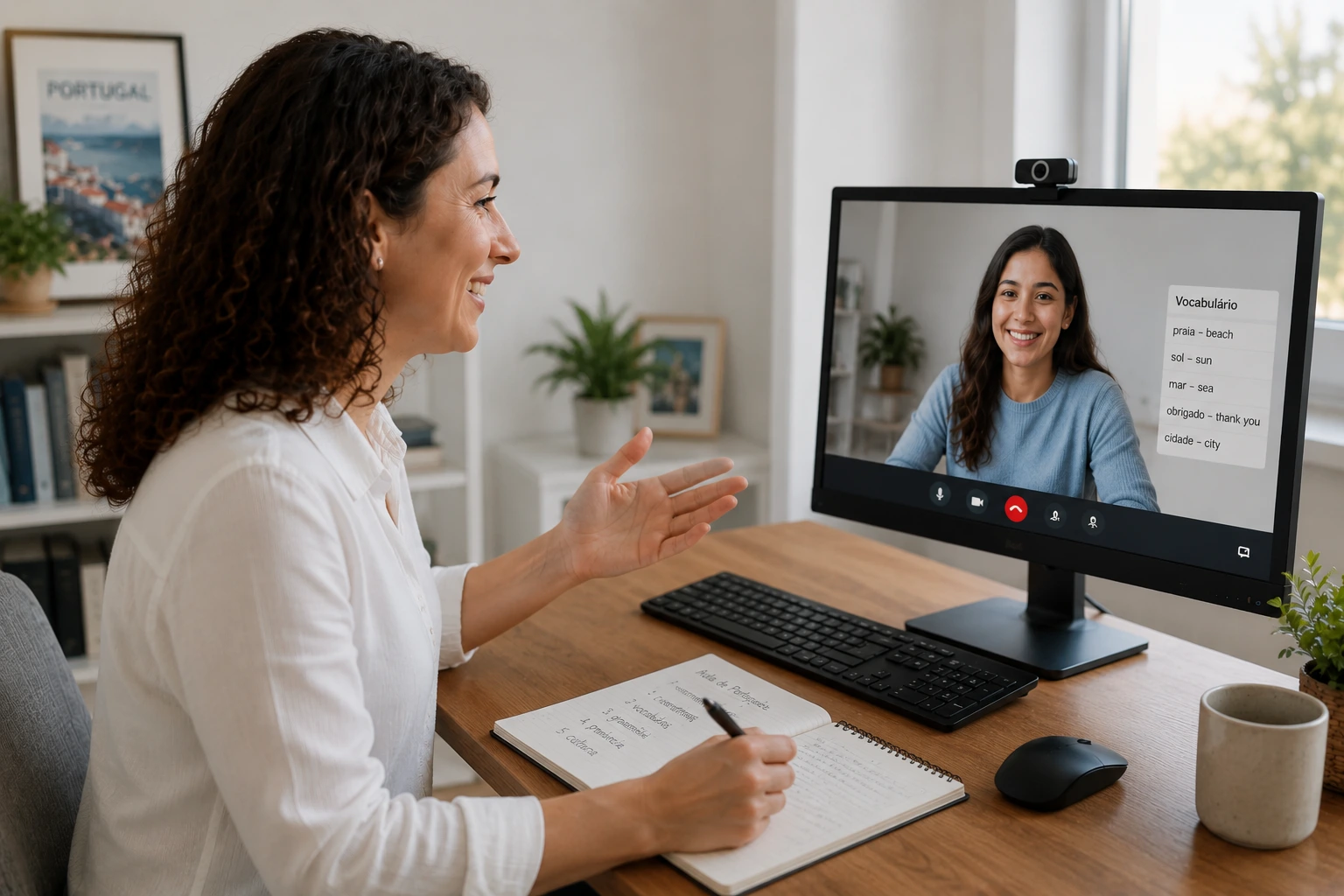

If you’ve been searching for a European Portuguese teacher, you’ve probably realised that there are hundreds of options online.
Some teachers focus on grammar. Others offer conversation practice. Some teach Brazilian Portuguese, while others specialise in the variety spoken in Portugal.
If you are still deciding which variety is right for you, read European Portuguese vs Brazilian Portuguese before choosing your teacher or learning resources.
With so many choices, it’s natural to wonder how to find the right teacher for your goals.
As a native European Portuguese speaker and tutor, I’ve worked with adult learners from many different backgrounds. Some were preparing to move to Portugal, others had Portuguese partners or family, and many simply wanted to feel more confident speaking during holidays or everyday life.
Although every learner is different, I’ve noticed something interesting over the years.
Very few people struggle because they aren’t capable of learning Portuguese.
More often, they struggle because no one has shown them how to use Portuguese in real-life situations.
They’ve memorised vocabulary, completed grammar exercises and spent months using language apps. However, many popular resources do not provide the personalised speaking practice learners need. If you have been learning independently, Is Duolingo Good for European Portuguese? explains what an app can offer and where human interaction becomes particularly valuable.
But when someone in Portugal asks them a simple question, they freeze.
If that sounds familiar, you’re certainly not alone.
Choosing the right teacher won’t magically make Portuguese easy, but it can completely change how you experience the language. The right tutor gives you structure, practical guidance and the confidence to start speaking sooner than you thought possible.
In this guide, I’ll explain what I believe really matters when choosing a European Portuguese teacher, based not only on teaching experience but also on the challenges I see adult learners face every day.
- At a Glance
- Why Choosing the Right Teacher Matters
- European Portuguese or Brazilian Portuguese?
- 7 Things That Really Matter When Choosing a European Portuguese Teacher
- What Good European Portuguese Lessons Should Look Like
- Why My Students Stay With Me
- What My Students Say
- Ready to Learn European Portuguese with Me?
- See Also
- Final Thoughts
- FAQ
- About the Author
Some links on this website may be affiliate or referral links. If you use them, I may receive a small commission or reward, at no extra cost to you.
I only recommend resources, tools, and services that I believe may be helpful for learning European Portuguese. These links help support the website, but they do not influence the advice or learning guidance I share.
At a Glance
Before booking your first lesson, look for a teacher who:
- specialises in European Portuguese;
- understands the needs of adult learners;
- follows a structured teaching method;
- encourages speaking from the beginning;
- explains grammar in a practical way;
- adapts lessons to your personal goals;
- creates a supportive environment where making mistakes is part of learning.
Why Choosing the Right Teacher Matters
Learning Portuguese isn’t about collecting grammar rules.
It’s about being able to use the language when it matters.
Perhaps you want to introduce yourself to your neighbours after moving to Portugal.
Maybe you’d like to order confidently in a restaurant instead of pointing at the menu.
Or perhaps you’re hoping to understand conversations with your Portuguese family without feeling lost.
These are the moments that make learning worthwhile.
Unfortunately, many lessons focus almost entirely on grammar or isolated vocabulary lists. While these have their place, they don’t automatically prepare you for real conversations.
One of my students once told me:
“I understood much more Portuguese than I could actually speak.”
I hear this surprisingly often.
If you recognise this gap between understanding and speaking, How to Practise Speaking European Portuguese offers practical ways to make Portuguese a more active part of your daily routine.
The problem usually isn’t knowledge.
It’s confidence.
Confidence comes from using the language regularly, with guidance from someone who knows when to explain, when to correct and when to simply encourage you to keep talking.
European Portuguese or Brazilian Portuguese?
This is one of the first questions you should ask before choosing a teacher.
Many websites simply advertise “Portuguese”, without explaining which variety they teach.
If your goal is to live in Portugal, communicate with Portuguese relatives or feel comfortable in everyday situations here, learning European Portuguese from the beginning is usually the best choice.
Although European and Brazilian Portuguese share the same roots, there are noticeable differences in pronunciation, vocabulary, grammar and everyday expressions.
For example, the rhythm of spoken Portuguese in Portugal is often faster and many sounds are pronounced differently. You’ll also come across vocabulary that isn’t commonly used in Brazil.
Learning the variety that matches your goals means you’ll spend less time adapting later.
7 Things That Really Matter When Choosing a European Portuguese Teacher
1. They Teach the Portuguese You Actually Need
The best lessons aren’t built around random grammar topics.
They’re built around your life.
If you’re moving to Portugal, your lessons should prepare you for situations such as:
- introducing yourself;
- speaking with neighbours;
- visiting the doctor;
- shopping at local markets;
- ordering food;
- making appointments;
- dealing with everyday services.
Learning becomes much easier when every lesson feels relevant.
2. They Understand Adult Learners
Teaching adults is very different from teaching children.
Most adults are balancing work, family and other commitments. They don’t have hours every day to study.
Progress is influenced by your goals, consistency, previous experience and opportunities to use the language. For a more realistic perspective, read How Long Does It Take to Learn European Portuguese?.
What they need is a clear learning path, practical explanations and lessons that respect their time.
Over the years, I’ve found that adults learn best when they understand why they’re learning something and can immediately apply it in conversation.
That’s why practical communication always comes before unnecessary theory.
3. They Follow a Clear Teaching Method
One of the most common comments I hear from new students is that previous lessons felt random.
One week they learned colours.
The next week they studied the past tense.
Then they jumped to travel vocabulary.
Although they were learning something every lesson, nothing felt connected.
A good teacher should have a clear method.
Every lesson should build on the previous one so that your confidence grows naturally instead of feeling like you’re constantly starting again.
That’s especially important when you’re learning online, where structure and consistency make a significant difference. The Best Way to Learn European Portuguese Online explains how to combine structured learning, listening and regular speaking practice.
4. They Encourage You to Speak from Your Very First Lesson
One of the biggest myths about learning a language is that you need to know enough grammar before you can start speaking.
In my experience, the opposite is true.
The sooner you begin using Portuguese, the sooner you’ll start thinking in Portuguese. Your sentences won’t be perfect—and they don’t need to be.
Many adults are afraid of making mistakes because they think they’ll sound silly or that people won’t understand them. I’ve seen this countless times.
One student once told me before our first lesson:
“I understand quite a lot, but I can’t speak.”
After a few weeks of practising short, everyday conversations in a supportive environment, she realised she already knew much more Portuguese than she had believed. What she needed wasn’t more grammar—it was regular opportunities to use the language.
That’s why I encourage speaking from the very beginning.
Even if you’re a complete beginner, you can introduce yourself, ask simple questions and build short conversations. Each lesson gives you another opportunity to build confidence.
5. They Explain Grammar in Context
Grammar is an important part of learning Portuguese, but it shouldn’t feel like a university lecture.
Beginners need a small number of useful patterns before they need advanced terminology. My European Portuguese Grammar for Beginners guide introduces these foundations through clear explanations and practical examples.
As adults, we naturally want to understand why something works. A good teacher should be able to explain grammar clearly without overwhelming you with technical terms.
That’s the approach I take in my lessons.
Rather than introducing grammar as a separate topic, I explain it when it naturally appears in the conversation we’re practising.
For example, imagine we’re learning how to book a doctor’s appointment.
We’ll start by learning useful phrases, such as:
Queria marcar uma consulta.
Then I’ll briefly explain why queria is used in this situation and how it makes your request sound polite.
Finally, we’ll practise the conversation together until it feels natural.
By learning grammar through real-life situations, you’ll remember it much more easily because you’ve already used it in context.
6. They Adapt Lessons to Your Goals
No two learners have exactly the same reason for learning Portuguese.
Some of my students are preparing to relocate to Portugal.
Others have Portuguese partners or family members and want to join conversations around the dinner table.
Some are retired and spend several months of the year in Portugal, while others simply want to feel more independent when they travel.
Their goals are different, so their lessons shouldn’t all look the same.
Before I plan lessons for a new student, I always ask questions about their goals, interests and previous learning experience.
Knowing why you’re learning helps me decide what you need to learn first.
Someone preparing to move to Portugal will probably benefit from vocabulary related to healthcare, housing and public services.
If this reflects your situation, European Portuguese for Expats in Portugal explains which communication skills are particularly useful for becoming more independent in daily life.
Someone learning for family reasons may need more everyday conversation and informal language.
Personalised lessons don’t just feel more relevant—they’re also more motivating because you’re learning language you can immediately put into practice.
7. They Create an Environment Where You Feel Comfortable Making Mistakes
Learning a language can feel surprisingly vulnerable.
You’re expressing yourself with limited vocabulary, unfamiliar pronunciation and grammar you’re still learning.
It’s completely normal to feel nervous.
That’s why the atmosphere your teacher creates matters just as much as the lesson itself.
One of the things I value most is helping students feel relaxed enough to speak without worrying about every mistake.
Corrections are important, but they should build your confidence rather than interrupt every sentence.
When students know it’s safe to make mistakes, they naturally begin speaking more—and that’s where real progress happens.
What Good European Portuguese Lessons Should Look Like
If you’re comparing teachers, one useful question to ask yourself is:
“Can this teacher explain what happens during a typical lesson?”
A clear teaching method is usually a sign of an experienced tutor.
Here’s what you can expect in my lessons.
Every lesson has a practical objective based on a real-life situation you’re likely to experience in Portugal.
For example, we might focus on:
- ordering food in a café;
- introducing yourself to neighbours;
- shopping at a local market;
- making a doctor’s appointment;
- talking to your landlord;
- asking for directions.
From there, we work through a simple structure.
First, you’ll learn useful vocabulary and natural expressions that Portuguese people genuinely use.
Next, I’ll explain the grammar you need to understand those expressions—but only the grammar that’s relevant to the situation. I don’t believe in overwhelming students with long explanations they’ll struggle to remember.
Finally, we’ll put everything into practice through guided conversations, role-play and speaking activities.
By the end of each lesson, you won’t just have learned new Portuguese.
You’ll have used it.
You’ll have received personalised feedback.
And you’ll leave knowing how to apply what you’ve learned the next time you’re in Portugal.
Why My Students Stay With Me
Many students first book a trial lesson because they want to see whether my teaching style suits them.
Some have tried language apps.
Others have attended group classes or studied on their own for months.
Quite often, they tell me they understand more Portuguese than they can actually speak.
What keeps them coming back isn’t simply that they’re learning new grammar or vocabulary.
It’s that they begin to notice real progress in situations that matter to them.
Ordering lunch without switching to English.
Making a phone call with more confidence.
Having a conversation with Portuguese relatives.
Understanding more of what they hear around them.
Those small victories build momentum, and that’s one of the most rewarding parts of my job as a tutor.
Helping someone move from “I can’t do this” to “I actually had my first conversation in Portuguese today” is something I’ll never get tired of.
What My Students Say
When you’re choosing a European Portuguese teacher, reading reviews can be just as valuable as looking at qualifications or experience.
A review tells you what it’s actually like to learn with that teacher. Does the student feel more confident? Are the lessons organised? Is there enough speaking practice? Do they feel supported?
One review that perfectly captures what I aim to achieve in every lesson comes from Laurens, one of my students.
“My main focus is to gain confidence and speaking skills for everyday Portuguese, and Isabel’s lessons have been a game changer. Unlike the group classes I had taken elsewhere, her lessons are personalised, insightful and structured around real-life conversations.
I spoke more during my first two lessons than I did during an entire 12-day group course. She gives practical sentence structures that help me stay fluent and organised. Isabel encourages me to say as much as I can before giving clear feedback, and she always provides additional examples to expand my vocabulary.
Most importantly, she creates a supportive atmosphere where I feel safe making mistakes. I used to dread language classes, but now they fly by.”
When I read feedback like this, it reminds me why I started teaching.
Learning a language shouldn’t feel stressful or intimidating. It should feel like making steady progress, one conversation at a time.
If my students leave each lesson feeling a little more confident than when they arrived, then we’ve had a successful lesson.
Ready to Learn European Portuguese with Me?
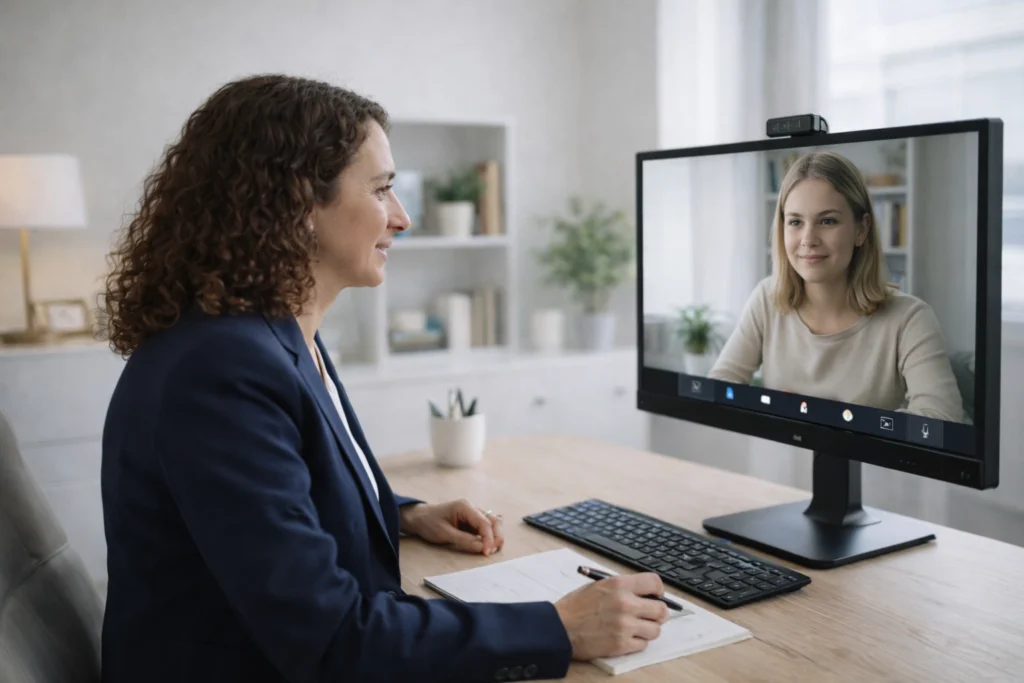
If you’ve read this far, you’re probably looking for more than just a Portuguese teacher.
You’re looking for someone who understands what it’s like to learn a language as an adult, someone who can guide you step by step and help you feel comfortable using Portuguese in real-life situations.
That’s exactly what I aim to provide.
As a native European Portuguese speaker and experienced tutor, I work with adults from around the world who are learning Portuguese for different reasons:
- moving to Portugal;
- communicating with Portuguese family and friends;
- travelling with more confidence;
- preparing for retirement in Portugal;
- simply enjoying the challenge of learning a new language.
Whatever your goal, my lessons are always personalised and built around practical communication.
You’ll learn useful vocabulary, understand the grammar you actually need and, most importantly, spend time speaking Portuguese in a relaxed and supportive environment.
If you’d like to see whether my teaching style is the right fit for you, I’d love to meet you in a trial lesson.
Together, we’ll discuss your goals, assess your current level and create a learning plan that helps you make steady, enjoyable progress.
You can book a trial lesson with me on Preply and take the first step towards speaking European Portuguese with confidence.
See Also
If you’re considering learning European Portuguese with a teacher or want to prepare before your first lesson, you may also find these guides helpful:
Final Thoughts
Learning European Portuguese doesn’t happen overnight.
Like any worthwhile skill, it takes time, regular practice and a willingness to make mistakes along the way.
But choosing the right teacher can make that journey feel much less overwhelming.
Over the years, I’ve seen students arrive feeling frustrated because they could understand Portuguese but couldn’t speak it with confidence.
I’ve also seen those same students begin ordering food without hesitation, chatting with neighbours, making appointments and enjoying conversations they once thought were impossible.
That transformation doesn’t happen because someone memorises hundreds of grammar rules.
It happens because they have structured lessons, consistent practice and someone encouraging them every step of the way.
If you’re looking for a European Portuguese teacher, I hope this guide has helped you understand what really matters.
Choose someone who teaches the variety of Portuguese you need, listens to your goals, provides structure and gives you plenty of opportunities to speak.
And remember: you don’t have to speak perfectly to start speaking.
You simply have to begin.
FAQ
About the Author

Isabel M.
Native European Portuguese Tutor | Founder of Practical Portuguese
Hi, I’m Isabel, a native European Portuguese tutor from Portugal and the founder of Practical Portuguese.
I help adults learn authentic European Portuguese through structured, personalised online lessons. My lessons are taught mainly in Portuguese, with support in English whenever needed. I teach students from complete beginner to advanced levels, focusing on practical communication for everyday life, family, travel and work in Portugal.
Every article on Practical Portuguese combines natural language as it is spoken in Portugal with my experience teaching adult learners from different language backgrounds.
Why Learn with Me?
✔ Native European Portuguese speaker from Portugal
✔ Lessons taught in Portuguese with support in English
✔ Experience teaching adults from different language backgrounds
✔ Personalised one-to-one online lessons
✔ Practical Portuguese for everyday life, family, travel and work in Portugal
✔ Lessons adapted to your listening, pronunciation, sentence structure and speaking needs